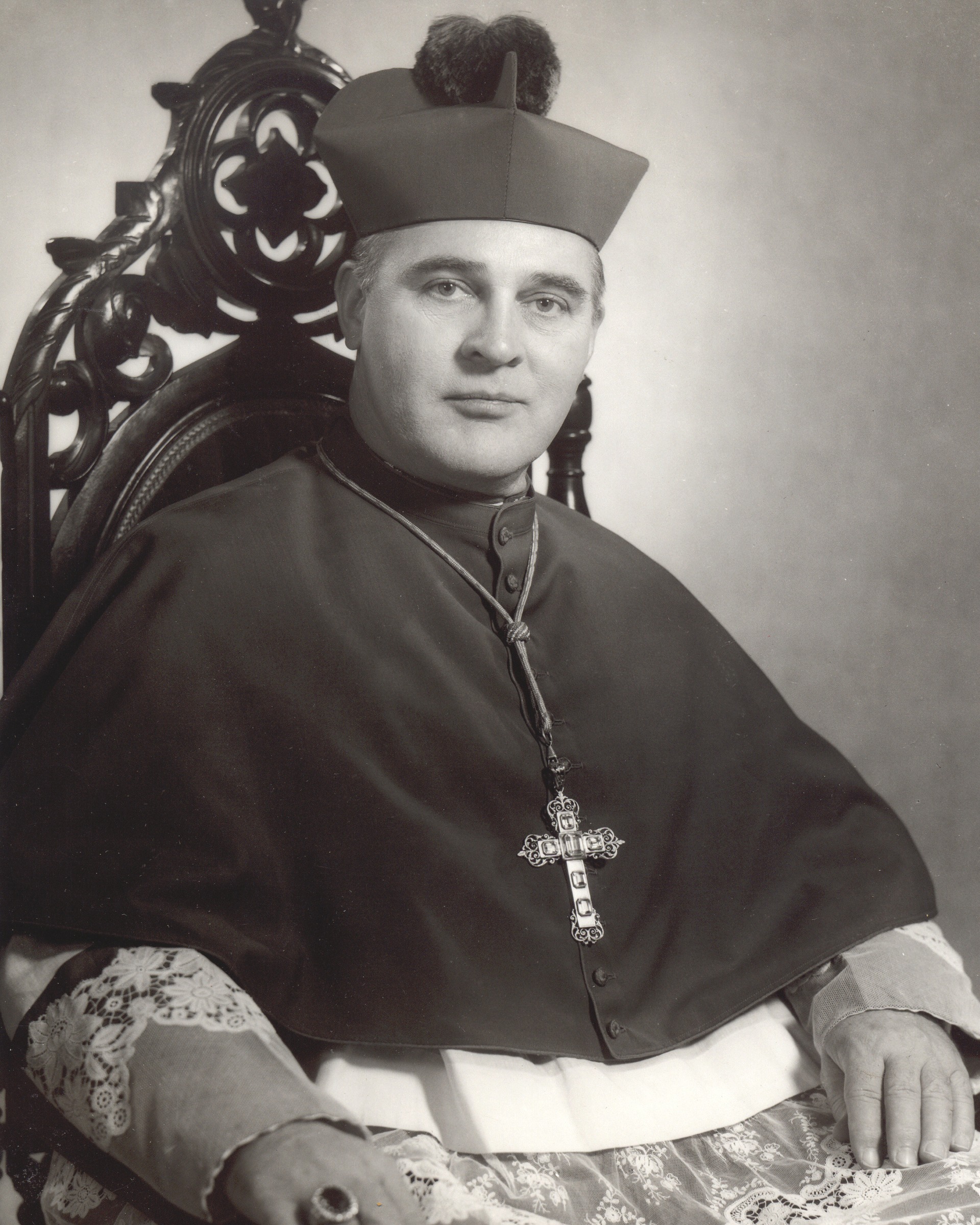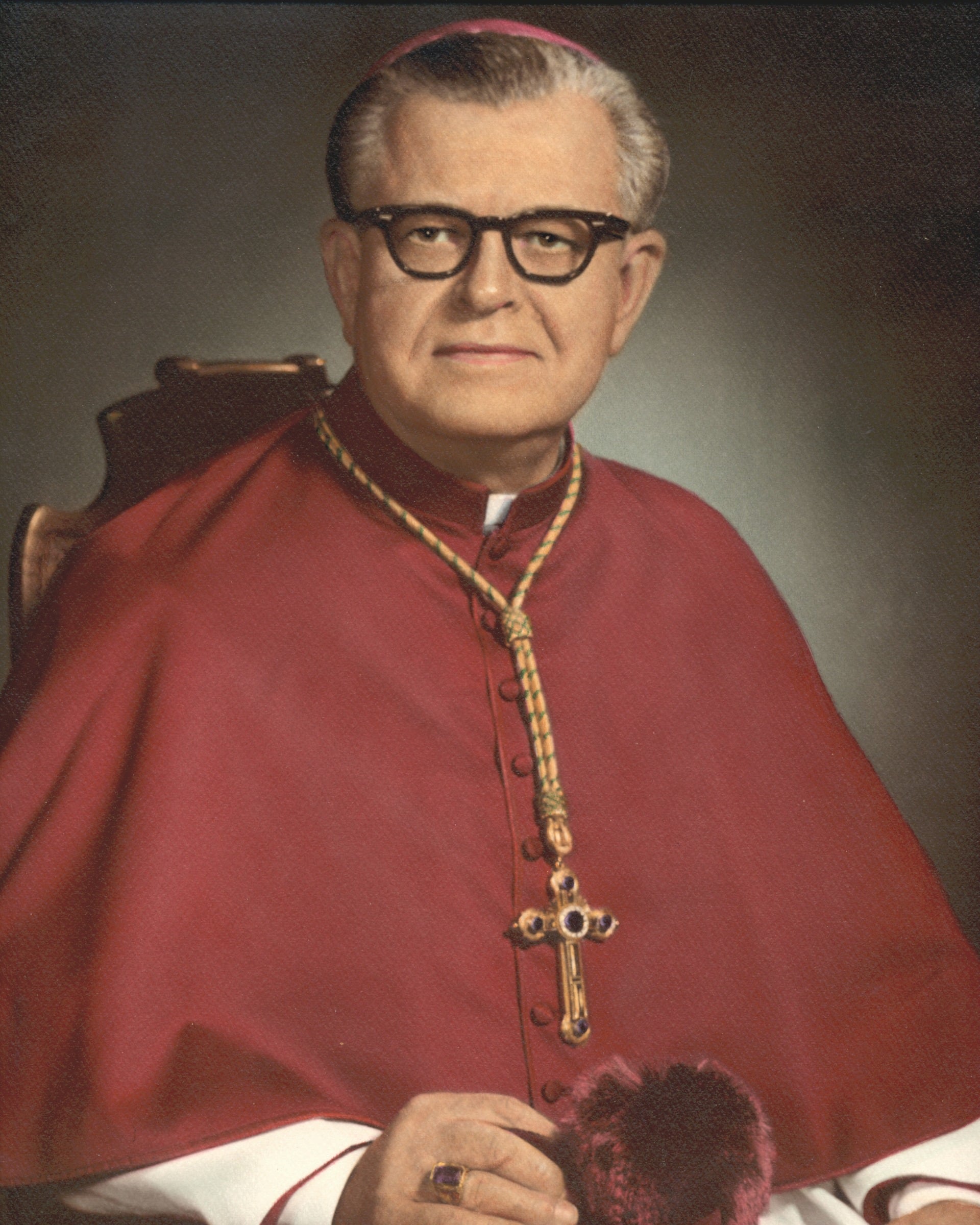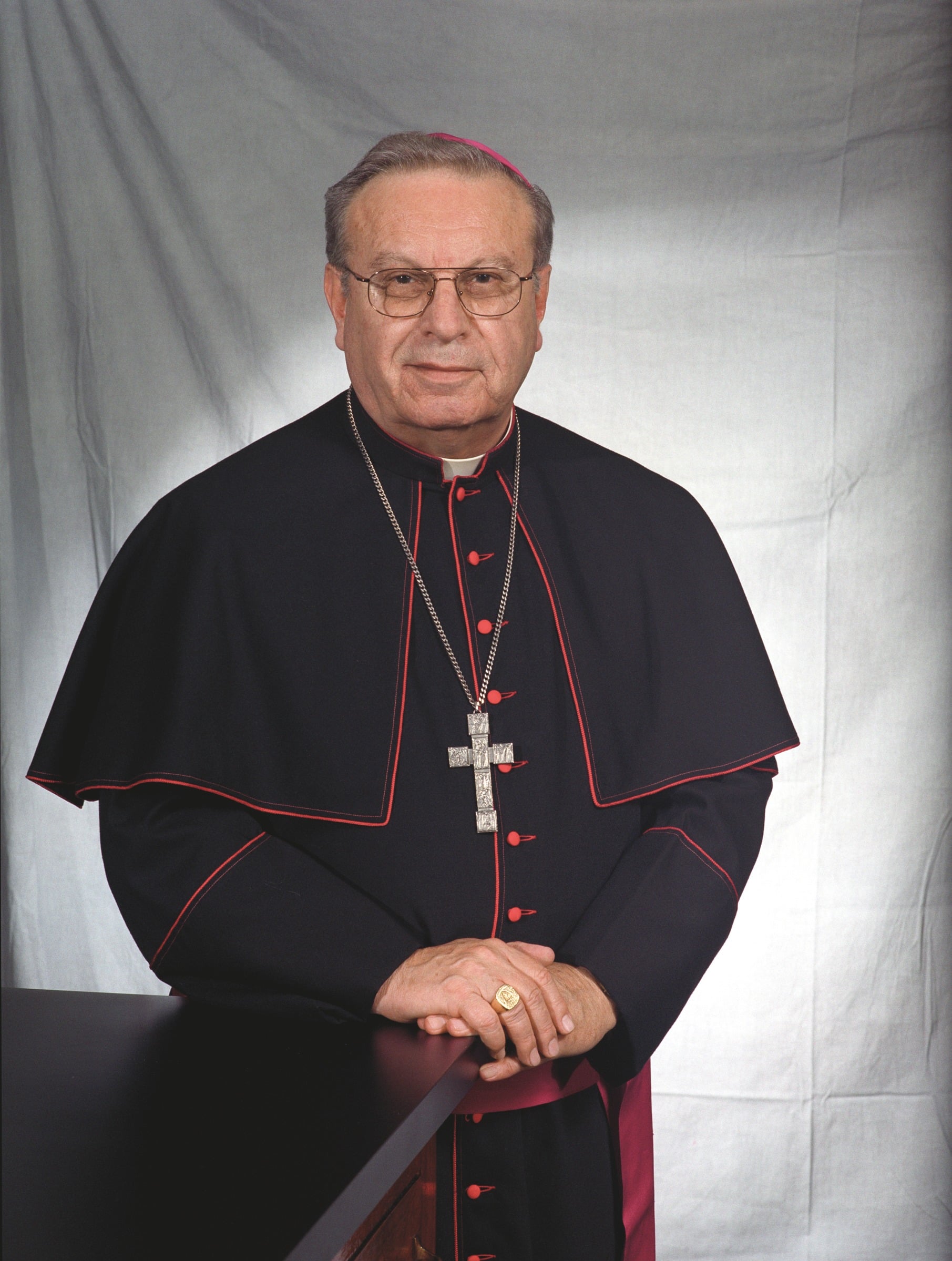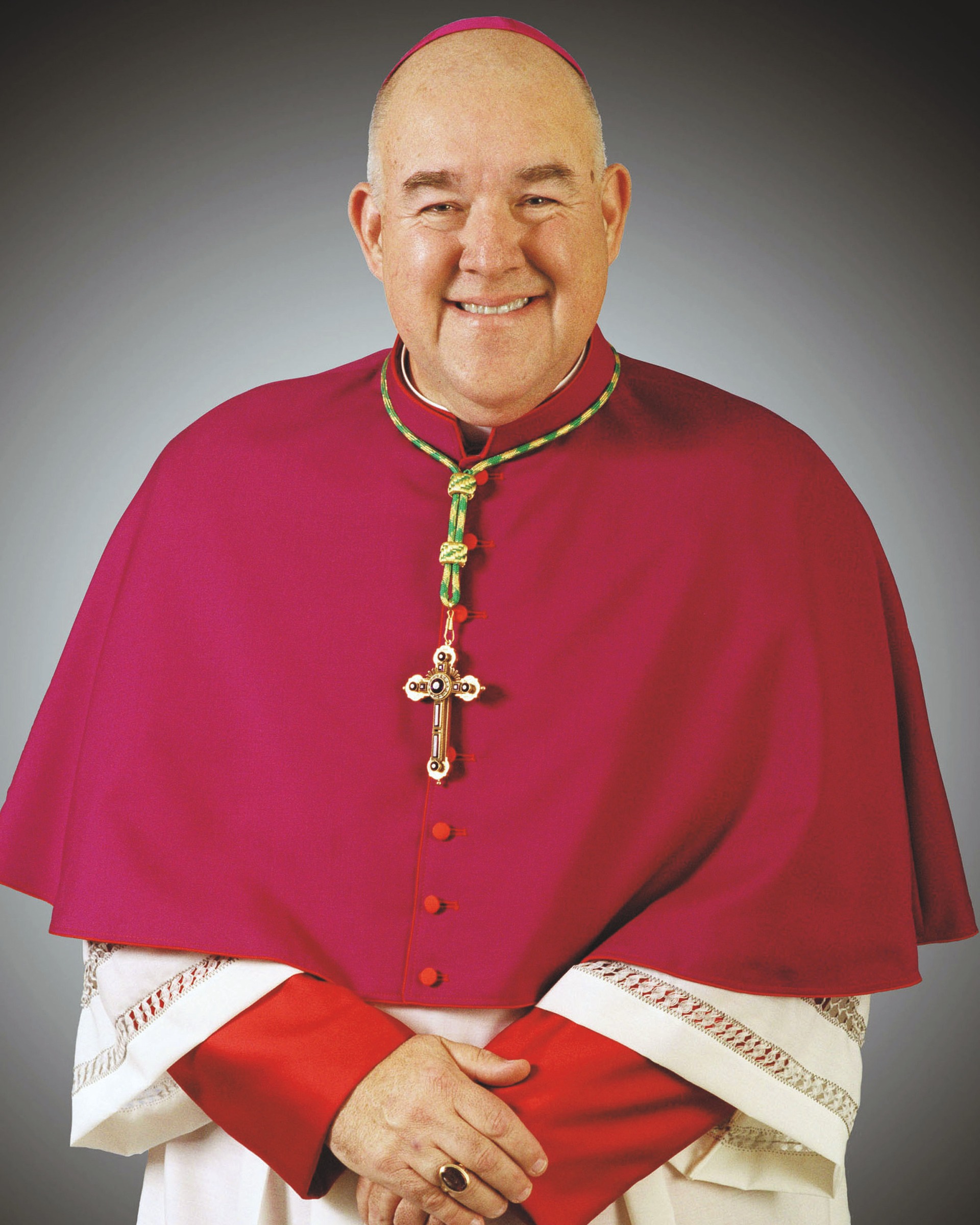

Past Bishops

Former Bishops of the Diocese of Nashville

The Diocese of Nashville was erected by the Holy See on July 28, 1837, carved from the vast frontier territory of the Diocese of Bardstown. In the generations since, twelve bishops have shepherded the Catholic Church in Tennessee — missionaries, builders, reformers, and pastors.

When the Diocese of Nashville was established in 1837, it covered the entire state of Tennessee — some 42,000 square miles of frontier served, at first, by a single priest. Bishop Benedict Joseph Flaget of Bardstown had long urged Rome to send Tennessee’s Catholics a resident shepherd, and recommended the Dominican missionary Richard Pius Miles as the new diocese’s first bishop. From that lone horseback missionary to the vibrant, growing Church of Middle Tennessee today, twelve bishops have led the Diocese of Nashville. Their stories follow, from the first to the present.

I
The Right Reverend Richard Pius Miles

Key Dates

  • Born: May 17, 1791, Prince George's County, Maryland
  • Ordained a priest: September 1816
  • Consecrated Bishop of Nashville: September 16, 1838
  • Died in office: February 17, 1860
First Bishop of Nashville

The Right Reverend Richard Pius Miles, O.P., D.D.

1838–1860

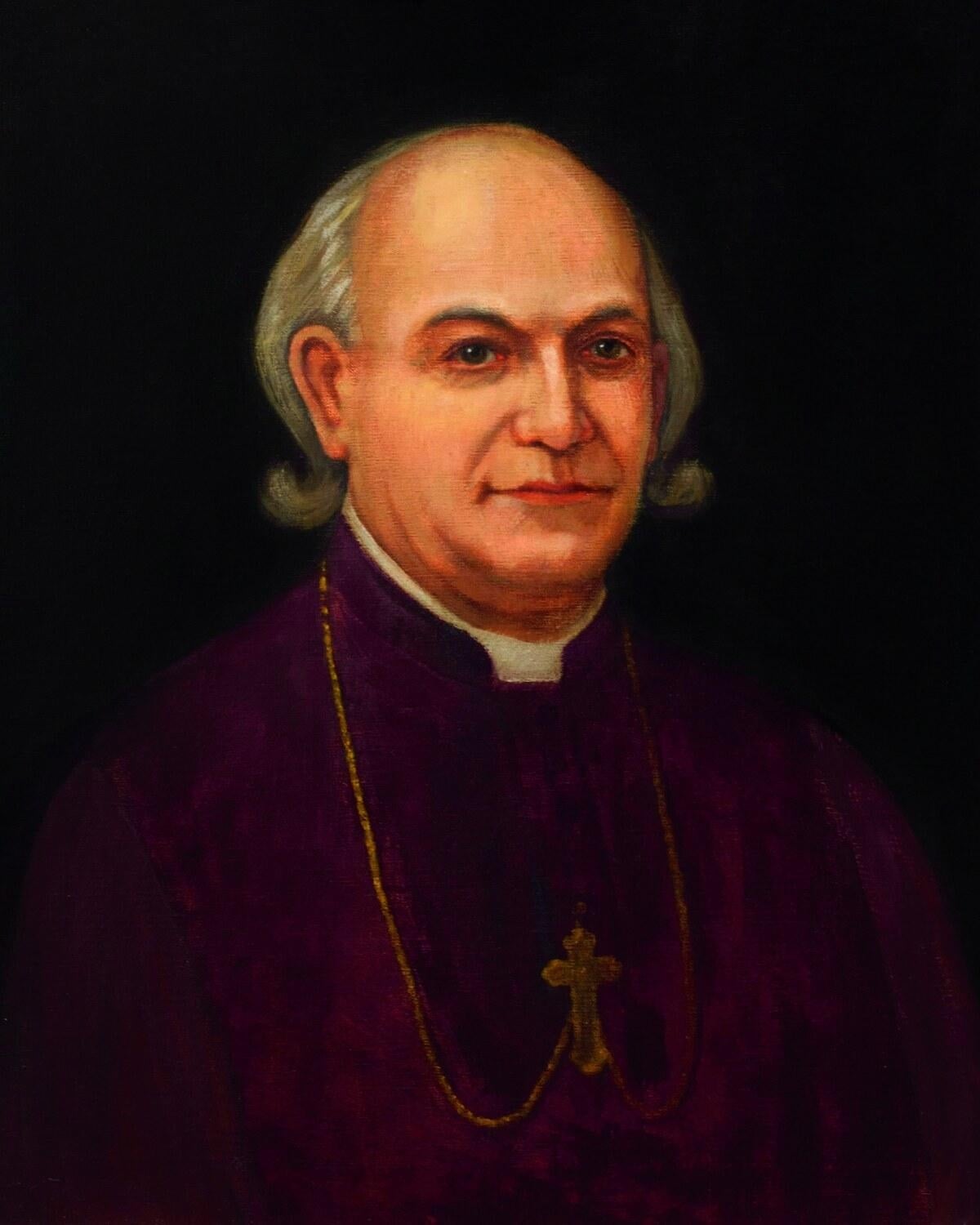
Richard Pius Miles was born in Prince George's County, Maryland, and raised in Kentucky, where he became an accomplished Dominican educator and missionary, founding a community of Sisters of the Third Order of Saint Dominic. In 1837 he was serving as provincial of the Saint Joseph Province — encompassing every Dominican institution in the United States and Canada — when the bishops of the Third Council of Baltimore proposed him as first Bishop of Nashville.

Convinced he lacked the resources to build the new diocese, Miles resisted the appointment, but Pope Gregory XVI insisted. He was consecrated at the Cathedral of Bardstown on September 16, 1838.

Bishop Miles arrived as the only Catholic clergyman in a diocese covering all 42,000 square miles of Tennessee. He traveled by horseback to find and serve scattered Catholic communities, journeyed to Europe to secure aid from the Society for the Propagation of the Faith, and presided over the diocese's first priestly ordination, that of Father William Morgan.

In 1842 he brought six Sisters of Charity of Nazareth to Nashville, who opened Saint Mary Female Academy on Capitol Hill.

His crowning work was the Cathedral of the Seven Dolors, begun in 1844 and dedicated in 1847 — known today as Saint Mary of the Seven Sorrows. Bishop Miles died on the eve of Ash Wednesday in 1860 and was laid to rest beneath the church he built.
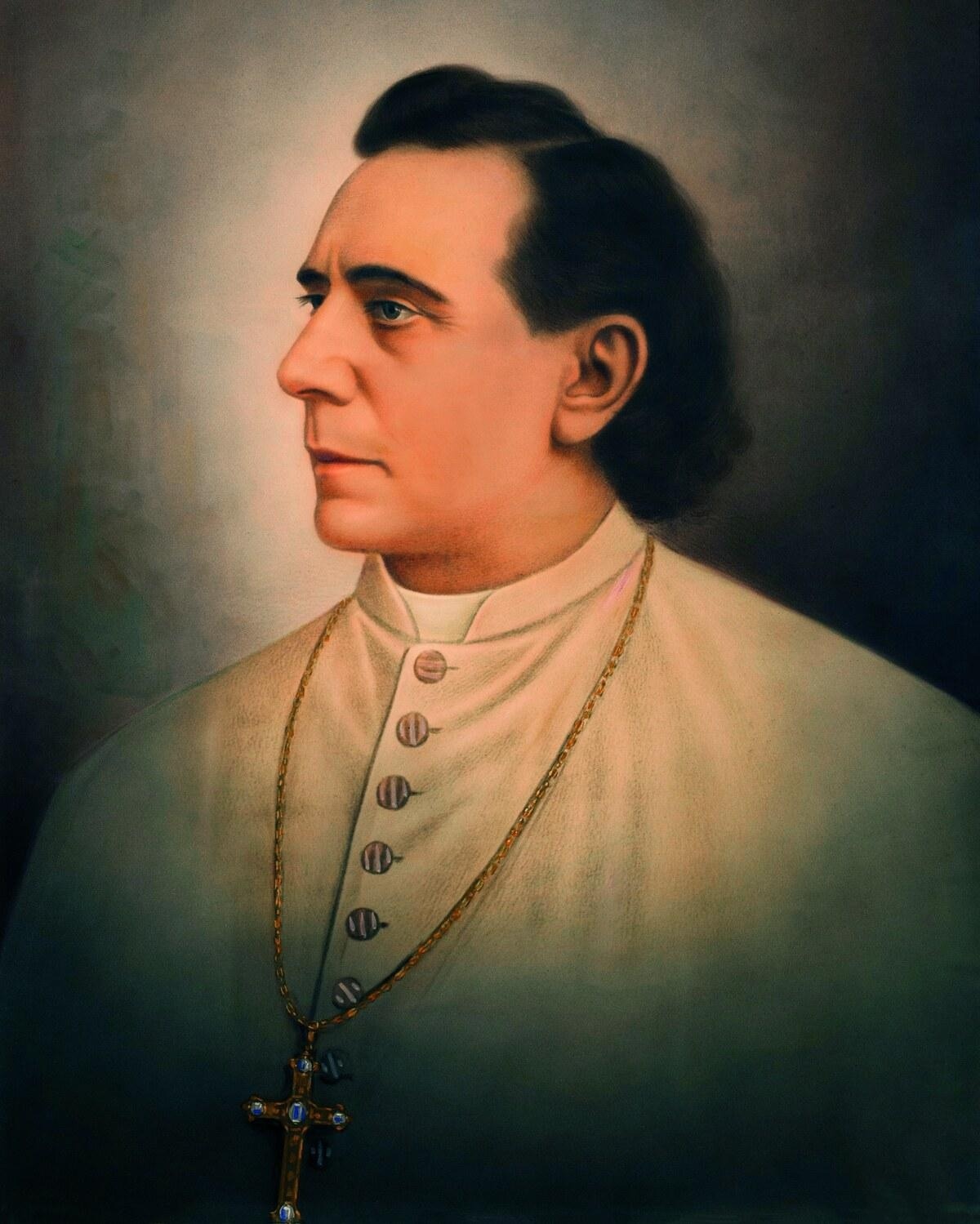
II
The Right Reverend James Whelan

Key Dates

  • Born: June 8, 1823, Kilkenny, Ireland
  • Ordained a priest: August 2, 1846
  • Consecrated bishop, coadjutor: May 8, 1859
  • Succeeded to the See of Nashville: February 1860
  • Resigned: 1863
  • Died: February 18, 1878
Second Bishop of Nashville

The Right Reverend James Whelan, O.P., D.D.

1860–1863

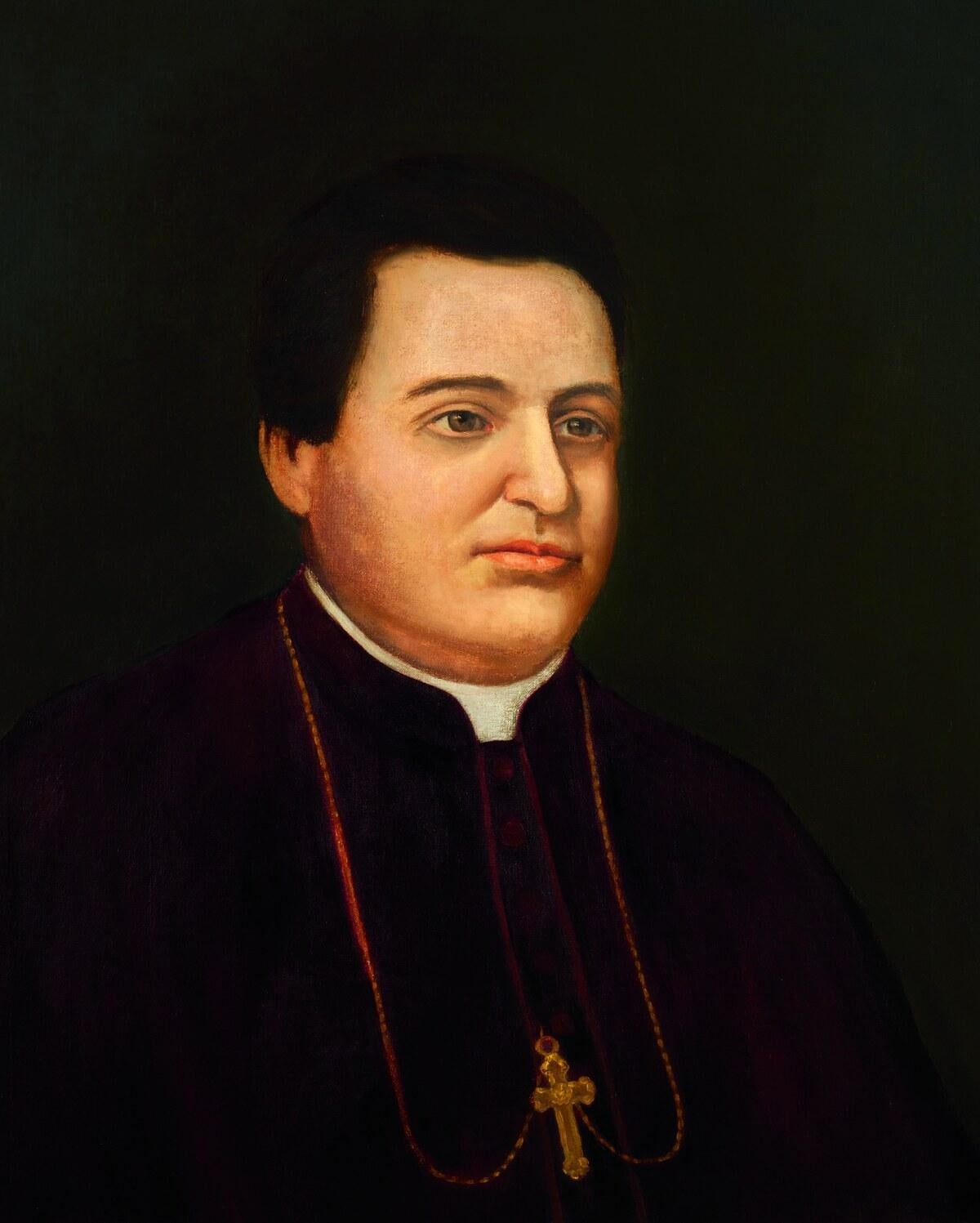
James Whelan was born in Kilkenny, Ireland, and raised in New York City. A Dominican remembered for his love of solitude, disciplined study, and extraordinary devotion to books, he was consecrated a bishop on May 8, 1859, and served as coadjutor before succeeding Bishop Miles in 1860.

He inherited the diocese as the nation entered the Civil War. Tennessee, a border state, endured four years of nearly constant occupation by contending armies, and some of the war's severest fighting took place within the diocese. Strongly pro-Union and opposed to slavery — a position consistent with the Vatican's — Bishop Whelan found himself isolated in a region where many residents, including many Catholics, sided with the Confederacy.

The strain of governing a divided diocese under military occupation limited what he could accomplish, and he obtained permission to resign the episcopate in 1863.

His brief tenure still bore lasting fruit: he invited the Dominican Sisters to Nashville, where Saint Cecilia Academy opened in 1860 as the first private school for women in Tennessee, followed by Saint Mary Orphanage. After leaving Nashville he returned to the seclusion of a Dominican convent, devoting himself to theological, historical, and chemical studies until his death in 1878.

III
The Right Reverend Patrick Augustine Feehan

Key Dates

  • Born: August 29, 1829, County Tipperary, Ireland
  • Ordained a priest: 1852
  • Consecrated Bishop of Nashville: November 1, 1865
  • Named Archbishop of Chicago: September 10, 1880
  • Died: July 12, 1902
Third Bishop of Nashville

The Right Reverend Patrick Augustine Feehan, D.D.

1865–1880

Patrick Augustine Feehan was born in County Tipperary, Ireland, and earned a reputation as a devoted priest and able preacher. Chosen on July 7, 1865, to fill the vacancy left by Bishop Whelan's resignation, he was consecrated on November 1, 1865, and arrived to find the war-torn diocese in what he called a morally and financially deplorable condition.

Bishop Feehan set about rebuilding. He established the Saint Vincent de Paul Society to serve the poor and welcomed orphans into the cathedral basement until the orphanage could be rebuilt. He recruited the Sisters of Mercy to Nashville in 1866 — Saint Bernard Academy opened the following year — and in 1868 purchased Calvary Cemetery, to which many Catholic families transferred the remains of their loved ones. Under his guidance, parishes, schools, and charitable institutions grew as the diocese recovered.

His tenure was also marked by tragedy: the yellow fever epidemics of the 1870s. When those with means fled Memphis, Catholic priests and sisters stayed to care for the sick. The diocese lost nine priests and thirteen sisters, among them his vicar general, and by decade's end more than 3,000 Catholics in Memphis had died.

On September 10, 1880, Bishop Feehan was named the first archbishop of the newly elevated Archdiocese of Chicago, which he led until his death in 1902.

IV
The Right Reverend Joseph Rademacher

Key Dates

  • Born: December 3, 1840, Westphalia, Michigan
  • Ordained a priest: August 2, 1863
  • Appointed Bishop of Nashville: April 21, 1883
  • Consecrated: June 24, 1883
  • Transferred to Fort Wayne: July 13, 1893
  • Died: January 12, 1900
Fourth Bishop of Nashville

The Right Reverend Joseph Rademacher, D.D.

1883–1893

Joseph Rademacher was born in Westphalia, Michigan. He studied under the Benedictine Fathers at Saint Vincent College in Pennsylvania and at Saint Michael Seminary in Pittsburgh, and was ordained on August 2, 1863, for the Diocese of Fort Wayne. Known as a capable, earnest, and pious priest devoted to his people and to the education of the young, he was appointed Bishop of Nashville on April 21, 1883, and consecrated that June 24.

His decade in Tennessee was one of steady, quiet growth: thirteen churches, five schools, two cemeteries, and three hospitals were constructed. He recruited the Franciscan Sisters of Lafayette, Indiana, to operate Saint Joseph Hospital in Memphis and Saint Margaret in Nashville, and the Sisters of Charity of Nazareth to open Saint Vincent in Chattanooga.

His most significant building project served Nashville's burgeoning Irish population: Saint Joseph Church, envisioned as a hub of Irish Catholic life and a possible future cathedral, though it was never chosen for that role. On July 13, 1893, Bishop Rademacher was transferred home to the Diocese of Fort Wayne, where he served until his death in 1900.

V
The Right Reverend Thomas Sebastian Byrne

Key Dates

  • Born: July 29, 1841, Hamilton, Ohio
  • Ordained a priest: May 22, 1869
  • Appointed Bishop of Nashville: May 10, 1894
  • Consecrated: July 25, 1894
  • Died in office: September 4, 1923
Fifth Bishop of Nashville

The Right Reverend Thomas Sebastian Byrne, D.D.

1894–1923

Thomas Sebastian Byrne was born in Hamilton, Ohio, to a poor but faithful Catholic family, and came to the clergy later than most, working first as a machinist. Appointed to the vacant See of Nashville on May 10, 1894, and consecrated that July 25, he brought his practical skills to nearly three decades of reform and construction.

He paid off diocesan debts, attracted new priests, opened new parishes, and sought to provide a school in every parish with a resident priest. In 1905 he held the diocese's first synod, and he deliberately moved the diocese away from parishes organized by ethnicity toward parishes defined by geography.

Bishop Byrne was equally concerned for the marginalized. He invited the Daughters of Charity to Nashville in 1898, where they founded Saint Thomas Hospital, named for his patron saint. He opened Holy Family Church in 1900 to serve Black Catholics and called on Mother Katharine Drexel and the Sisters of the Blessed Sacrament to open Immaculate Mother Academy in 1905 — the first Catholic secondary school for Black students in Tennessee.

In 1902 he purchased property for a new cathedral, and in 1914 the Cathedral of the Incarnation was dedicated, signaling the dawn of a new era for Catholics in Nashville. A nationally known author and translator, Bishop Byrne was remembered as a scholar, a gentleman, and a holy priest. He died in office on September 4, 1923.

VI
The Most Reverend Alphonse John Smith

Key Dates

  • Born: November 14, 1883, Madison, Indiana
  • Ordained a priest: April 18, 1908
  • Appointed Bishop of Nashville: December 1923
  • Consecrated: March 25, 1924
  • Died in office: December 16, 1935
Sixth Bishop of Nashville

The Most Reverend Alphonse John Smith, D.D., S.T.D.

1924–1935

Alphonse John Smith was born in Madison, Indiana, and ordained a priest on April 18, 1908. Appointed Bishop of Nashville in December 1923 and consecrated at the Cathedral of Indianapolis on March 25, 1924, he was remembered above all as deeply religious and an untiring worker.

Bishop Smith considered the development of a native Tennessee clergy one of the diocese's greatest needs. When he arrived, the diocese had only a handful of native priests and ten seminarians; within two years, sixty seminarians from Tennessee were studying for the priesthood, and twenty-six priests were ordained for the diocese during his administration.

In 1924 he established formal geographic boundaries for parishes, completing Bishop Byrne's transition to territorial parishes, and in 1925 he founded Father Ryan High School to meet the need for a Catholic secondary school for boys.

His tenure saw extensive construction across the state: Saint Vincent Church and School, the Chancery Office, and additions to Saint Thomas Hospital in Nashville; Saint Agnes College, Sacred Heart High School, and the Monastery of the Poor Clares in Memphis; Saint Mary Hospital, Knoxville Catholic High School, and Holy Ghost Church in Knoxville; a new Notre Dame School in Chattanooga; a new Saint Mary Church in Johnson City; and new chapels in Gallatin, Murfreesboro, Elizabethton, South Pittsburg, and Paris. He died in office on December 16, 1935.

VII
The Most Reverend William Lawrence Adrian

Key Dates

  • Born: April 16, 1883, Sigourney, Iowa
  • Ordained a priest: April 15, 1911, Rome
  • Appointed Bishop of Nashville: February 2, 1936
  • Consecrated: April 16, 1936
  • Retired: 1969
  • Died: February 13, 1972
Seventh Bishop of Nashville

The Most Reverend William Lawrence Adrian, D.D., S.T.L.

1936–1969

William Lawrence Adrian was born in Sigourney, Iowa, studied at the American College in Rome, and was ordained there on April 15, 1911. After twenty-four years on the faculty of Saint Ambrose College and a pastorate in Victor, Iowa, he was appointed Bishop of Nashville on February 2, 1936, and consecrated on April 16 — his fifty-third birthday.

Known to his contemporaries as "a man who gets things done," Bishop Adrian led the diocese for more than three decades of demographic and cultural change. He opened new parishes in Chattanooga, Nashville, and Memphis; built Saint Anne and Immaculate Conception churches in Memphis and Saint Lawrence at Paradise Ridge; remodeled the Cathedral of the Incarnation; held a diocesan synod and reorganized the curia; and established both a diocesan newspaper and the diocesan council of the National Council of Catholic Women.

Among his most lasting legacies were Saint Mary Villa, the successor to the aging Saint Mary Orphanage, and Catholic Charities, the diocese's social-service organization. First established to find foster homes for children displaced by the Cuban Revolution, Catholic Charities grew into a support network serving families, children, refugees, and the poor across Middle Tennessee. Bishop Adrian retired in 1969 and died in 1972.

VIII
The Most Reverend Joseph Aloysius Durick

Key Dates

  • Born: October 13, 1914, Dayton, Tennessee
  • Ordained a priest: March 23, 1940
  • Named Coadjutor Bishop of Nashville: 1964
  • Succeeded as Bishop of Nashville: September 10, 1969
  • Resigned: 1975
  • Died: June 26, 1994
Eighth Bishop of Nashville

The Most Reverend Joseph Aloysius Durick, D.D.

1969–1975

Joseph Aloysius Durick, born in Dayton, Tennessee, was the first native-born Tennessean to lead the diocese. He served as a priest in Alabama, became auxiliary bishop of Mobile in 1954, was named coadjutor bishop of Nashville in 1964, and succeeded Bishop Adrian in 1969.

Bishop Durick emerged as one of the Catholic Church's most prominent voices in the civil rights movement. While serving in Birmingham, he was among the clergymen addressed by Dr. Martin Luther King Jr. in the Letter from Birmingham Jail — an experience that moved him to action. He marched for equal rights, and on Good Friday 1968 he was absent from the cathedral liturgy because he had gone to Memphis to stand with Dr. King in support of striking Black sanitation workers.

He framed racial equality as a moral obligation, serving as chairman of Project Equality of Tennessee and on the Tennessee State Advisory Committee to the U.S. Commission on Civil Rights. In the words of journalist John Seigenthaler, he "put the Church on the cutting edge of change."

Bishop Durick also guided the diocese through post-Vatican II renewal — inaugurating the first Priests' Convention, promoting a Priests' Senate and Personnel Board, and establishing a two-year Renewal Program for clergy and laity — and led the diocese when the Diocese of Memphis was created in 1970. He resigned in 1975 and devoted his remaining years to prison ministry. He died in 1994.

IX
The Most Reverend James D. Niedergeses

Key Dates

  • Born: February 2, 1917, Lawrenceburg, Tennessee
  • Ordained a priest: May 20, 1944
  • Appointed Bishop of Nashville: April 8, 1975
  • Ordained and installed: May 20, 1975
  • Retired: October 13, 1992
  • Died: November 16, 2007
Ninth Bishop of Nashville

The Most Reverend James D. Niedergeses, D.D.

1975–1992

James Daniel Niedergeses was born and educated in Lawrenceburg, Tennessee, and ordained a priest on May 20, 1944. His diocesan service ranged from the classroom at Father Ryan High School to the chaplaincy of Saint Thomas Hospital and pastorates at Our Lady of Perpetual Help and Saints Peter and Paul in Chattanooga. Pope Paul VI appointed him the ninth Bishop of Nashville on April 8, 1975, and he was ordained and installed on May 20, 1975 — thirty-one years to the day after his priestly ordination.

A Lawrenceburg native, Bishop Niedergeses understood the needs of rural communities. He established the Catholic Foundation of Tennessee to purchase land and support new parishes, and under his leadership more than a dozen parishes were founded in rural towns and growing suburbs alike — from Tennessee Ridge, Sparta, and Waynesboro to Franklin, Smyrna, and Brentwood. The creation of the Diocese of Knoxville during his tenure established the Diocese of Nashville definitively as the Church of Middle Tennessee.

He was also a dedicated ecumenist, serving on the U.S. bishops' Committee for Ecumenical and Interreligious Affairs and as liaison to the Southern Baptist Convention. His bridge-building earned him the National Conference of Christians and Jews Award in 1984 and the Tennessee Association of Churches Ecumenist of the Year Award in 1990. He retired on October 13, 1992, and died in 2007.

X
The Most Reverend Edward U. Kmiec

Key Dates

  • Born: June 4, 1936, Trenton, New Jersey
  • Ordained a priest: December 20, 1961, Saint Peter's Basilica, Rome
  • Ordained a bishop: November 3, 1982
  • Installed Bishop of Nashville: December 3, 1992
  • Transferred to Buffalo: October 2004
  • Died: July 11, 2020
Tenth Bishop of Nashville

The Most Reverend Edward U. Kmiec, D.D., S.T.L.

1992–2004

Edward Urban Kmiec was born in Trenton, New Jersey, to Polish immigrant parents. He was ordained a priest at Saint Peter's Basilica in Rome on December 20, 1961, and earned a Licentiate in Sacred Theology from the Gregorian University. He served the Diocese of Trenton as vice chancellor, moderator of the curia, and vicar general, and was ordained its auxiliary bishop in 1982 before being installed as the tenth Bishop of Nashville on December 3, 1992.

Bishop Kmiec had his gaze set firmly on the future. He developed and implemented a long-range strategic plan for the diocese, created a program to renew attention to priestly vocations, and reinstituted the permanent diaconate, nurturing ordained and lay leaders alike. During his episcopacy the diocese opened five new Catholic schools, and in 2002 he presided over the dedication of Pope John Paul II High School in Hendersonville, now Pope Saint John Paul II Preparatory School.

Nationally, he served on the bishops' Secretariats for Catholic-Jewish and Catholic-Orthodox Relations, the Committee on the Laity, and as chairman of the Committee on the Permanent Diaconate and of Region V of the National Conference of Catholic Bishops. Transferred to Buffalo in 2004, he led that diocese for eight years, retired in 2012, and died on July 11, 2020.

XI
The Most Reverend David R. Choby

Key Dates

  • Born: January 17, 1947, Nashville, Tennessee
  • Ordained a priest: September 6, 1974, Saint Henry Church, Nashville
  • Elected diocesan administrator: 2004
  • Installed Bishop of Nashville: February 27, 2006
  • Died in office: June 3, 2017
Eleventh Bishop of Nashville

The Most Reverend David R. Choby, D.D., J.C.L.

2006–2017

David Raymond Choby was a Nashvillian by birth — baptized at the Cathedral of the Incarnation, where he would one day be ordained a bishop. A 1965 graduate of Father Ryan High School, he studied at Aquinas College, Saint Ambrose College, and the Catholic University of America before Bishop Durick ordained him a priest on September 6, 1974, at Saint Henry Church. He earned a canon law degree in Rome, worked in the diocesan tribunal through much of his priesthood, and served as pastor of Saint John Vianney Parish in Gallatin from 1989 until his episcopal ordination.

After Bishop Kmiec's transfer to Buffalo, the College of Consultors elected Father Choby diocesan administrator, and fourteen months later he was installed as the eleventh Bishop of Nashville on February 27, 2006 — only the second priest of the diocese ever chosen as its bishop. He became known for a direct, personable style of leadership: he gave seminarians his cell phone number and served as a close mentor to men preparing for ordination.

He strongly supported the permanent diaconate — by the diocese's 175th anniversary in 2012, he had personally ordained forty-six of its more than one hundred serving deacons — and in 2014 purchased the property that became the Catholic Pastoral Center.

On February 7, 2017, Bishop Choby fell at his home, suffering a head injury and fractured vertebrae. He died on June 3, 2017, and his funeral Mass was celebrated at Sagrado Corazón de Jesús in the Catholic Pastoral Center he had acquired.

XII
The Most Reverend J. Mark Spalding

Key Dates

  • Born: January 13, 1965, Lebanon, Kentucky
  • Ordained a priest: August 3, 1991, Archdiocese of Louisville
  • Appointed Bishop of Nashville: November 21, 2017
  • Ordained and installed: February 2, 2018
Twelfth Bishop of Nashville Current Bishop

The Most Reverend J. Mark Spalding, D.D., J.C.L.

2018–present

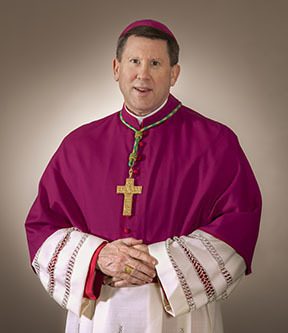
Like the diocese's first shepherd, Bishop J. Mark Spalding came to Nashville from Kentucky. Born in Lebanon, Kentucky, and raised on a family farm in Washington County, he earned degrees from Saint Meinrad Seminary and the Catholic University of Louvain in Belgium, including a Licentiate in Canon Law. Ordained for the Archdiocese of Louisville on August 3, 1991, he served twenty-six years there as pastor, tribunal judge, judicial vicar, and vicar general.

Pope Francis appointed him the twelfth Bishop of Nashville on November 21, 2017, and he was ordained and installed on February 2, 2018. At his installation he urged the faithful: "Pray, pray to God that the love of Jesus ever increases in your heart."

His episcopacy has been marked by remarkable growth. He led the A Legacy of Faith, Hope, and Love capital campaign, which raised more than $51.6 million; established Mother Teresa Church in Nolensville and Saint Peter the Apostle Church in Carthage in 2021 and the Overton County Catholic Community in 2025; opened Saint Michael Academy in 2024; elevated Sagrado Corazón de Jesús to a diocesan parish; and dedicated the 23,000-square-foot Unity Hall at the Catholic Pastoral Center.

During his tenure the diocese's Catholic population has grown from approximately 84,000 to more than 126,000, and Catholic school enrollment from 5,580 to 6,358 students.

Beyond the diocese, Bishop Spalding serves as a Region V representative of the United States Conference of Catholic Bishops, on the board of Catholic Mutual Group, and as the eighth grand prelate of the Order of the Fleur de Lis.